Engineering Engagement
Introduction
Realtime Worlds was a computer games development company based in Dundee, operating from 2000 until 2010. Specializing in free-roaming open virtual world games for consoles and PCs, their staff comprised highly specialized and skilled technical experts in computer programming, game design, and computer arts. Developing bespoke, proprietary systems required exclusive early access to next-generation technology—and it demanded a unique approach to managing people.
Flexibility
Flexibility was a significant requirement for employees. Because several projects involved developing titles to be published externally, strict adherence to agreed schedules was necessary to coordinate with stakeholders. Projects were incrementally and iteratively delivered to fixed milestone schedules upon which continued project funding was contingent.
Staff had to plan time off in accordance with these schedules. Often, towards the end of a milestone, there was an expectation of an intense, coordinated, and sustained effort involving significant overtime. In the computer games development industry, this practice is euphemistically referred to as crunch.
While the company had a system of generous annual holiday allowance and paid time off for illness—alongside a limited flexitime system with set core hours—managing crunch requires a more structural approach to flexibility. A policy such as a compressed work week (where qualifying employees work increased daily hours in exchange for truncating their working days) is highly recommended. Given the erratic necessity for overtime, an annual hours contract would be inappropriate (Bailey et al., 2018).
Commitment
Realtime Worlds cultivated a trusting workforce that demonstrated high levels of engagement and loyalty. The development staff were issued with top-of-the-line computer hardware and enjoyed privileged access to detailed information on future technologies. The culture was cooperative, supportive, and respectful, comprising a community of intelligent, high-achieving diehards with shared interests.
Providing a positive environment and the best tools possible played a significant part in keeping staff engaged and creative. Both company and staff-initiated social gatherings contributed to a highly functional social workplace. By working for a small independent developer where all staff knew each other, their contributions felt far more significant than they would have at a large publisher-owned studio.
However, creating an environment with high levels of engagement is merely conducive to gaining commitment (Valentine et al., 2023); it is not a guarantee. Despite the high levels of emotional and creative investment in the hit title Crackdown, the decision not to pursue a sequel resulted in several staff leaving to form a rival studio, Ruffian Games, to continue development of the franchise.
Even with high commitment and organizational trust, an employee’s loyalty to a business is fundamentally a transactional relationship. Neither party should expect it to extend beyond what is mutually beneficial.
Quality
Human resource management quality is concerned with assuring the performance of individual staff and staffing processes. Consistently high performance must be appropriately rewarded, and corrective interventions made for low performance.
At Realtime Worlds, consistency in appraisal processes and data collection allowed for effective management interventions. Attendance, for example, was covered by a disciplinary process, but good attendance was rewarded with eligibility to attend industry conferences and seminars. Additionally, to prevent historically high levels of unplanned absence between Christmas and New Year, the strategic decision was made to close the office entirely during that period, resulting in lower annual absence rates overall.
A significant investment was made in a high-quality recruitment process to mitigate the negative motivational effects of low performance and subsequent functional turnover. High retention was complimented by the availability of temporary company accommodation for staff relocation during onboarding.
Strategic Integration
It is clear from the management of flexibility, commitment, and quality that there is a profound need for both horizontal and vertical integration of HRM processes throughout the organization. Line managers must be supported by the administrative and process expertise of HRM experts.
This relationship is perfectly mapped by Ulrich’s Topology of HRM Functions.
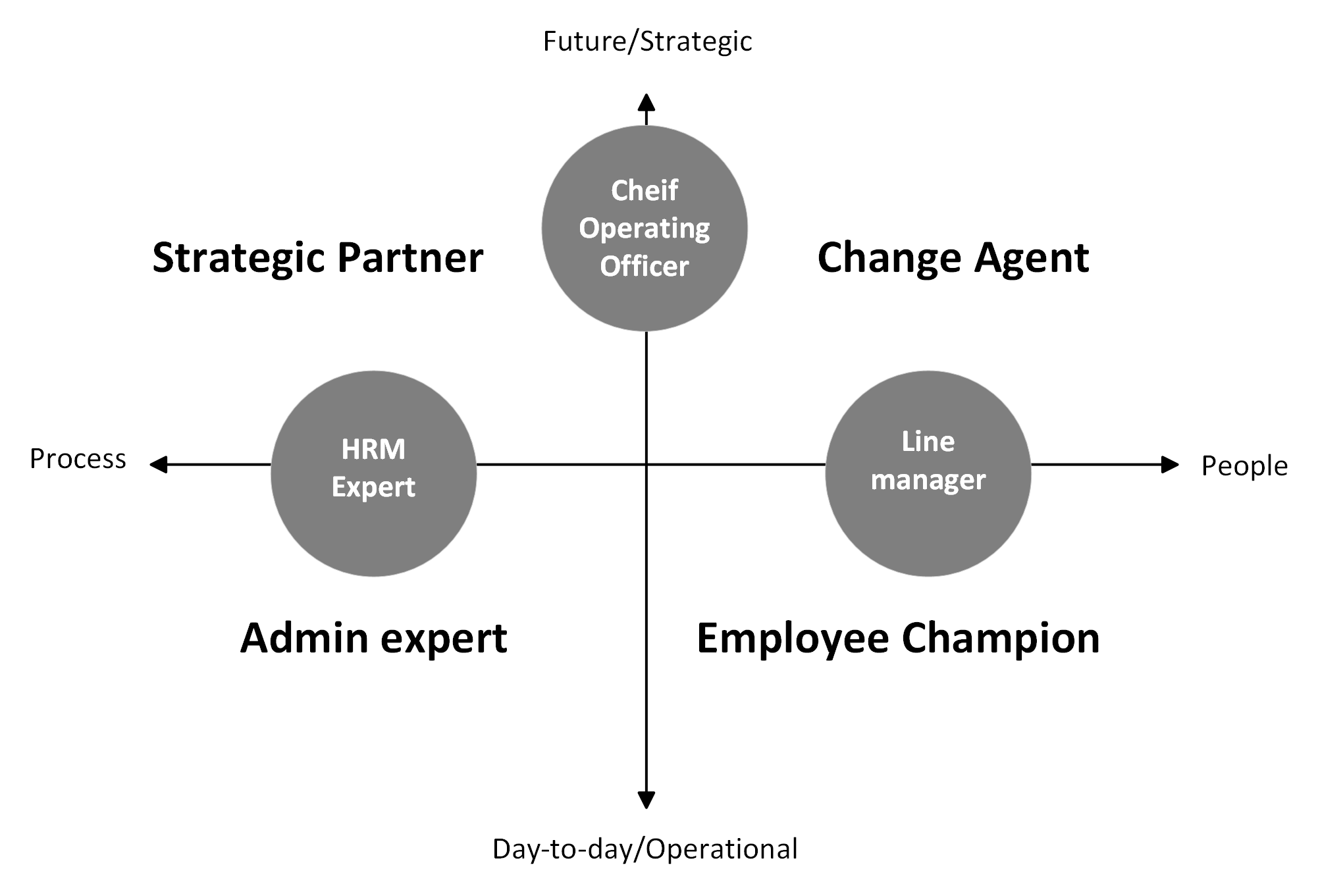 Fig 1. Topology of HRM Functions (adapted from Ulrich 1997, cited in Bailey et al. 2018)
Ulrich’s topology outlines four distinct quadrants straddling two axes (Future/Strategic vs. Day-to-day/Operational, and Process vs. People):
- Strategic Partner: Aligning HR and business strategy (Future/Process).
- Change Agent: Managing transformation and organizational culture (Future/People).
- Admin Expert: Reengineering organizational processes and building efficient HR infrastructure (Day-to-day/Process).
- Employee Champion: Managing employee contribution and increasing commitment/capability (Day-to-day/People).
By ensuring these positions straddle the different functions of HR, processes and information collection are assured horizontally. This can then be reported and analyzed in aggregate with the COO, allowing for strategic vertical direction adjustments that directly affect flexibility, commitment, and quality outcomes.
References
- Bailey, C., Mankin, D., Kelliher, C., and Garavan, T. (2018) Strategic Human Resource Management. New York: Oxford University Press.
- Valentine, S. R., Meglich, P. A., Mathis R. L., and Jackson, J. H. (2023) Human Resource Management. 17th ed. Boston: Cengage.